
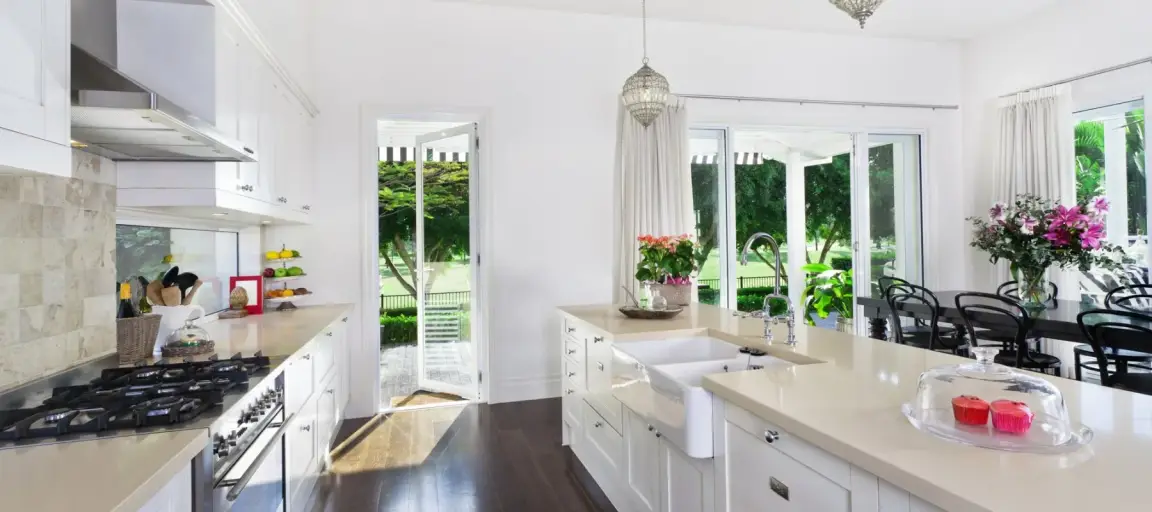
Luxury buyers in 2026 are quieter, more intentional, and far less impressed by surface-level opulence than they were even two years ago. In Bryan–College Station, the definition of luxury has moved away from “how much” and toward “how well” a home supports the life lived inside it.
The “trophy home” era is being replaced by a more human-centered approach to high-end living. Here is what is driving the luxury market in 2026.
1. Privacy as the Ultimate Amenity
Privacy has become the foundational requirement of modern luxury. Buyers aren’t just looking for high square footage; they are seeking separation, calm, and environmental control. * The Shield: Lot orientation, mature landscaping, and significant setbacks are now valued more than grand foyers.
- Acoustics: Luxury is now heard (or rather, not heard). Sound-dampening insulation and acoustic-grade windows that insulate the home from the outside world are top-of-mind for professionals and researchers in the Brazos Valley.
2. Wellness Architecture
In 2026, health is the new status symbol. Wellness is no longer a “room” (like a gym); it is embedded in the fabric of the home.
- Restorative Design: We see high demand for primary suites that function as “private spas,” featuring infrared saunas, cold plunges, and circadian lighting systems that align with natural sleep cycles.
- Biophilic Connections: Large glass walls that slide open to private courtyards or meditation gardens are no longer “extras”—they are expected features that blur the line between indoor comfort and outdoor serenity.
3. Invisible Intelligence (Tech that Anticipates)
Technology expectations have matured into a desire for reliability over complexity. > The 2026 Standard: Smart home systems must work quietly in the background. Buyers want AI-driven climate and security that “thinks ahead” without requiring a tablet on every wall. If the tech complicates daily life, it’s a detractor. If it enhances comfort invisibly, it’s a luxury.
4. Warm Minimalism and Natural Materials
The “cold modern” look of the early 2020s has been replaced by Warm Minimalism. * Texture over Shine: Buyers are gravitating toward organic materials like limewash walls, fluted wood, and matte stone.
- Character: There is a renewed focus on craftsmanship—hand-troweled finishes and locally sourced stone that make a home feel “settled” rather than “staged.”
5. Multi-Generational Flexibility
The 2026 Luxury Outlook shows a significant rise in “Portfolio Living.” One in five luxury buyers is now looking for homes that accommodate multiple generations.
- The Demand: Private wings, detached guesthouses, and secondary primary suites are essential for families who value having aging parents or adult children nearby while maintaining absolute autonomy.
6. Transparency is Non-Negotiable
High-end buyers are more informed than ever. They have little tolerance for ambiguity regarding land use, utility infrastructure, or maintenance records. In a market like Bryan–College Station—where luxury often includes acreage—providing a clear, “no-spin” dossier on the property is the fastest way to build the confidence required for a seven-figure sale.
The Bottom Line: Luxury hasn’t disappeared; it has simply matured. Today’s buyers want homes that feel authentic, grounded, and restorative. When a property aligns with these 2026 values, it doesn’t just sell—it commands a premium.